





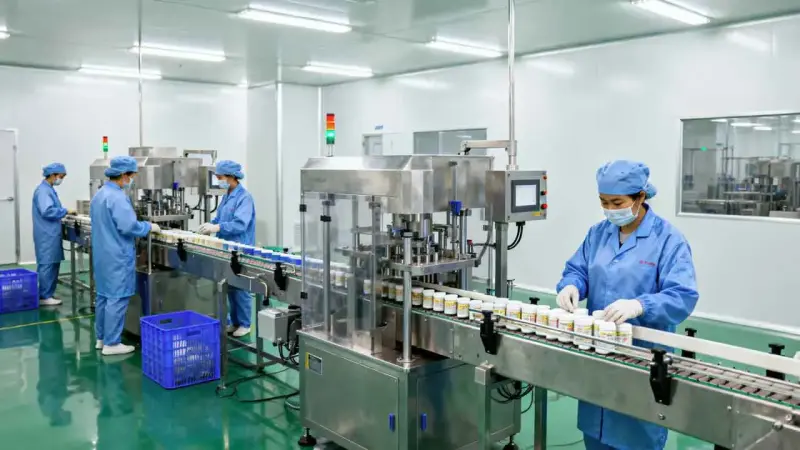
Choosing the right contract manufacturing partner is one of the most critical decisions a supplement brand owner will make. Your manufacturer is not just a supplier; they are an extension of your brand, responsible for product quality, regulatory compliance, and supply chain reliability. This guide provides a comprehensive, step-by-step framework for evaluating and selecting the ideal manufacturing partner for your supplement brand.
Why Choosing the Right Manufacturer Matters
The consequences of choosing the wrong manufacturing partner can be severe and far-reaching.
Potential Risks:
Quality Failures: Poor manufacturing practices can lead to contaminated or ineffective products.
Regulatory Issues: Non-compliance can result in fines, product seizures, or market bans.
Supply Chain Disruptions: Unreliable partners can cause costly delays and stockouts.
Brand Reputation Damage: Quality issues or compliance failures directly harm your brand's reputation.
Financial Loss: Recalls, wasted inventory, and lost sales can be financially devastating.
Phase 1: Define Your Requirements
Before you begin evaluating potential partners, clearly define your specific needs and expectations.
Key Questions to Ask Yourself:
What dosage forms do you require (softgels, tablets, capsules, powders, gummies, liquids)?
What is your target market and their regulatory requirements?
What is your estimated order volume and frequency?
What is your budget and desired pricing model?
What are your quality and certification requirements?
What is your timeline for product launch?
Phase 2: Initial Screening and Research
Step 1: Identify Potential Partners
Begin by compiling a list of potential contract manufacturers.
Sources:
Industry Directories: ThomasNet, Nutraceuticals World, SupplySide.
Trade Shows: Natural Products Expo West, SupplySide West, Vitafoods.
Online Searches: Targeted searches for manufacturers specializing in your dosage form.
Referrals: Recommendations from industry contacts or colleagues.
Step 2: Conduct an Initial Review
Review potential partners' websites, capabilities, and certifications.
Key Factors:
Capabilities: Do they offer the dosage forms and services you need?
Certifications: Do they hold GMP, ISO, FDA registration, or other relevant certifications?
Experience: Do they have experience with products similar to yours?
Client Base: What brands do they manufacture for? Are they reputable?
Location: Is the location convenient for communication and logistics?
Step 3: Request Information
Request a company profile, capabilities brochure, and any relevant certifications.
Phase 3: In-Depth Evaluation
This phase involves a comprehensive evaluation of potential partners.
Step 4: Evaluate Quality Systems
Quality is the most critical factor in selecting a manufacturer.
Key Questions:
Certifications: Ask for copies of their GMP, ISO, and other certifications. Verify them with the issuing bodies.
Quality Manual: Request to review their quality manual to understand their quality management approach.
Raw Material Testing: How do they test raw materials for identity, purity, and potency?
In-Process Testing: What in-process tests are performed during manufacturing?
Finished Product Testing: What tests are performed on the finished product?
Stability Testing: Do they conduct stability testing to establish shelf life?
Audit Trail: Can they demonstrate a history of successful regulatory audits?
Step 5: Evaluate Manufacturing Capabilities
Assess their manufacturing capacity and technical expertise.
Key Questions:
Equipment: What equipment do they have? Is it modern and well-maintained?
Capacity: Can they meet your current and projected volume requirements?
Technical Expertise: Do they have experienced formulators and process engineers?
Dosage Form Experience: Do they have specific experience with your desired dosage form?
Custom Formulation: Can they develop custom formulations for your brand?
R&D Capabilities: Do they have an R&D team for formulation development?
Step 6: Evaluate Regulatory Compliance
Ensure the manufacturer can meet the regulatory requirements of your target markets.
Key Questions:
FDA Registration: Is the facility registered with the FDA?
GMP Compliance: Can they provide evidence of GMP compliance for dietary supplements?
Regulatory Support: Can they support you with labeling, claims, and regulatory submissions?
Recall History: Have they ever had a product recall? If so, what was the cause and outcome?
Step 7: Evaluate Supply Chain and Sourcing
Assess their supply chain management and ingredient sourcing practices.
Key Questions:
Ingredient Sourcing: Where do they source their ingredients? Do they have a supplier qualification program?
Supply Chain Transparency: Can they provide traceability for all ingredients?
Inventory Management: How do they manage raw material and finished goods inventory?
Backup Suppliers: Do they have backup suppliers for key ingredients?
Step 8: Evaluate Customer Service and Communication
A strong working relationship requires excellent communication and service.
Key Questions:
Account Management: Will you have a dedicated account manager?
Communication: How responsive are they to inquiries? Do they communicate proactively?
Transparency: Are they transparent about pricing, lead times, and potential issues?
Project Management: How do they manage projects from formulation to delivery?
Phase 4: On-Site Audit
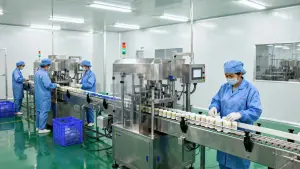
An on-site audit is essential for a thorough evaluation.
What to Look For:
Facility Cleanliness: Is the facility clean and organized?
Equipment Maintenance: Is the equipment well-maintained and properly calibrated?
Process Control: Do they follow documented procedures? Are records maintained?
Staff Training: Are staff members trained on quality and GMP procedures?
Documentation: Are batch records, testing records, and other documentation accurate and complete?
Material Handling: How are raw materials and finished products handled and stored?
Phase 5: Commercial Evaluation
Step 9: Request Detailed Quotations
Obtain detailed quotes from shortlisted manufacturers.
Key Factors:
Pricing: Compare pricing for formulation, manufacturing, and packaging.
MOQs: Understand minimum order quantities and any flexibility.
Lead Times: Understand typical lead times for production and delivery.
Payment Terms: Understand payment terms and any deposits required.
Step 10: Request Samples
Request samples of their work, including prototypes and finished products.
What to Evaluate:
Quality: Assess product quality, taste, texture, and appearance.
Packaging: Assess the quality and appearance of packaging.
Documentation: Review the Certificate of Analysis and other documentation.
Phase 6: Contract Negotiation and Agreement
Before signing a contract, ensure all terms are clearly defined and understood.
Key Contract Terms:
Scope of Work: Clear definition of services and responsibilities.
Pricing and Payment: Detailed pricing breakdown and payment schedule.
Quality Specifications: Clear quality specifications and acceptance criteria.
Intellectual Property: Ownership of formulations and intellectual property.
Confidentiality: Confidentiality and non-disclosure provisions.
Term and Termination: Duration of the agreement and conditions for termination.
Red Flags to Watch For
Be aware of these potential red flags when evaluating a manufacturer.
Reluctance to Provide Information: Lack of transparency about capabilities, certifications, or quality systems.
Poor Communication: Slow or unresponsive communication.
Unrealistic Promises: Promises that seem too good to be true (e.g., extremely low prices, impossibly short lead times).
Lack of Certifications: Inability to provide valid GMP, FDA registration, or other certifications.
Negative Reviews or References: Reports of quality issues, delays, or poor service from other clients.
SREKE: Your Trusted Manufacturing Partner
At SREKE, we understand the importance of choosing the right manufacturing partner. We are committed to transparency, quality, and partnership. Our GMP-certified, FDA-registered facility and experienced team are dedicated to supporting your brand's success.
Why Choose SREKE:
Comprehensive Capabilities: We offer manufacturing for all major dosage forms.
Quality Commitment: We prioritize quality at every stage of manufacturing.
Regulatory Expertise: We have extensive experience with global regulatory requirements.
Transparency: We provide clear communication and transparent pricing.
Partnership Focus: We view our clients as long-term partners in their success.
Ready to Choose the Right Manufacturing Partner?
Your choice of manufacturing partner is a strategic decision with long-lasting implications. Let SREKE demonstrate why we are the ideal partner for your brand.
Contact us today to start your evaluation:
Click here to get in touch with our team or email us directly at [email protected]. Let's build a successful partnership together.