





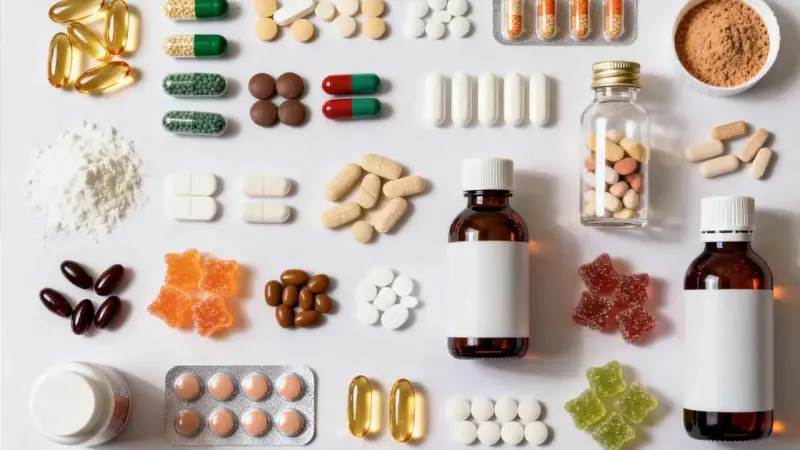
Selecting the right dosage form is one of the most important decisions you will make when developing a new dietary supplement. Each format offers distinct advantages and challenges in terms of bioavailability, production cost, shelf stability, and consumer preference. This guide provides a comprehensive overview of the five primary supplement formats—softgels, tablets, powders, gummies, and liquids—to help you determine the best fit for your brand vision and target audience.
1. Softgels: The Gold Standard for Bioavailability
Softgels are one of the most popular and effective delivery systems, particularly for oil-based and fat-soluble active ingredients.
Advantages:
High Bioavailability: The liquid fill inside a softgel allows for faster absorption compared to tablets or capsules. This is ideal for ingredients like Omega-3 fatty acids, Vitamin E, and Coenzyme Q10.
Excellent Protection: The gelatin or plant-based shell protects sensitive ingredients from light and oxygen, extending shelf life.
Ease of Swallowing: Softgels are generally easier to swallow than large tablets.
Precise Dosing: Each softgel delivers a consistent, pre-measured dose.
Key Considerations:
Cost: Softgel production requires specialized encapsulation machinery, making it more costly than traditional tablets or powders.
Ingredient Compatibility: The formulation must be compatible with the gelatin shell to prevent leakage or cross-linking.
Shell Options: Both bovine gelatin and plant-based (starch or carrageenan) shells are available to meet dietary and cultural needs, such as halal or vegetarian requirements.
2. Tablets: The Versatile and Cost-Effective Choice
Tablets are the most traditional and widely recognized solid dosage form. They offer significant formulation flexibility and are generally the most cost-effective option for large-scale production.
Advantages:
High Active Ingredient Loading: Tablets can contain a high percentage of active ingredients, making them suitable for high-potency formulas.
Taste Masking: Advanced coating technologies can effectively mask the bitter or unpleasant taste of many ingredients.
Extended Release Options: Tablet technology allows for controlled-release formulations that release ingredients over time.
Cost-Efficiency: For high-volume production, tablets are the most economical option.
Key Considerations:
Bioavailability: Some ingredients may have lower bioavailability in tablet form compared to softgels or liquids.
Swallowing Difficulties: Some consumers find tablets difficult to swallow, which may affect product appeal and compliance.
Formulation Complexity: Tableting requires a powder blend with proper flow and compression characteristics, which may require additional excipients.
3. Powders: Maximum Flexibility and High Dosage
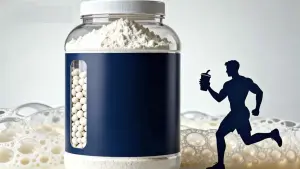
Powder supplements offer unparalleled formulation flexibility and are an excellent choice for products requiring high serving sizes or customizable dosing.
Advantages:
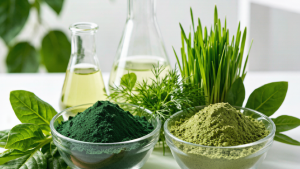
High Dosage Capacity: Powders can easily accommodate large serving sizes, making them ideal for products like protein powders, greens blends, and fiber supplements.
Flexibility in Dosing: Consumers can easily adjust the serving size to their individual needs.
Simple Formulation: Powders require fewer excipients and processing steps than tablets or softgels.
Versatile Consumption: They can be mixed into water, smoothies, or food, making them appealing to a wide consumer base.
Key Considerations:
Taste and Texture: Poorly formulated powders can have an unpleasant taste or gritty texture.
Packaging: Powders require airtight, moisture-proof packaging to maintain freshness and prevent clumping.
Convenience: They are less convenient for on-the-go consumption compared to ready-to-take solid dose formats.
4. Gummies: The Consumer Favorite for Taste and Enjoyment
Gummy supplements have exploded in popularity, particularly among younger demographics and those who dislike swallowing pills. They transform a daily supplement routine into a more enjoyable experience.
Advantages:
High Consumer Appeal: The familiar candy-like format is highly attractive and encourages daily compliance.
Great Taste: Gummies allow for excellent flavoring, effectively masking the taste of vitamins and minerals.
Easy to Chew and Swallow: They are an ideal format for elderly consumers and children.
Key Considerations:
Heat Sensitivity: Many active ingredients are sensitive to the heat required in gummy manufacturing, posing formulation challenges.
Sugar Content: Traditional gummies often have high sugar content. Sugar-free or low-sugar alternatives using alternatives like maltitol or allulose are available but require specialized production techniques.
Stability: Gummies can be susceptible to moisture, texture changes, and ingredient degradation over time, requiring rigorous stability testing.
Cost: Gummy production is a specialized process with higher manufacturing costs.
5. Liquids: Fast Absorption and Easy Customization
Liquid supplements offer rapid absorption and are the most customizable format for dosing.
Advantages:
Fast Absorption: Liquids are absorbed more quickly than solid formats, providing faster delivery of active ingredients.
Ease of Swallowing: An ideal format for individuals who cannot swallow pills or have digestive issues.
Flexible Dosing: Liquid formats allow for easy adjustment of serving sizes, similar to powders.
Palatability: With advanced flavoring systems, liquids can be made to taste great.
Key Considerations:
Ingredient Stability: The aqueous environment can accelerate the degradation of some active ingredients, requiring specific stabilization technologies.
Preservatives: Liquid formulations often require preservatives to prevent microbial growth.
Packaging: Liquids require specialized packaging, such as bottles with droppers or convenient shot-style vials.
How to Choose the Right Dosage Form for Your Product
Selecting the optimal format is a strategic decision that involves balancing several key factors. Here is a framework to guide your decision-making process:
| Dosage Form | Best For | Key Consumer Profile | Primary Cost Factor |
|---|---|---|---|
| Softgels | Fat-soluble vitamins, oils, and lipophilic actives | Health-conscious adults prioritizing efficacy | High (complex encapsulation) |
| Tablets | High-dose minerals, single-ingredient formulas, and cost-effective production | Cost-conscious consumers and mainstream brands | Low (high-volume compression) |
| Powders | Protein, fiber, greens, and high-dose combination formulas | Athletes, fitness enthusiasts, flexible dosing seekers | Low to Medium |
| Gummies | Multivitamins for children and adults, and products prioritizing consumer compliance | Younger demographics, those with pill aversion | High (specialized processing) |
| Liquids | Botanicals, extracts, and formulas requiring rapid absorption | Seniors, individuals with swallowing difficulties | Medium |
The Development Process: Bringing Your Chosen Format to Market
Once a dosage form is selected, the development process typically follows this structured pathway:
1. Formula Development:
Our R&D team works to translate your concept into a workable formula. This involves selecting high-quality raw materials, optimizing ingredient ratios for efficacy and stability, and conducting initial lab-scale testing to ensure the formula meets your target specifications.
2. Prototyping and Sampling:
We create initial samples for your evaluation. This phase allows you to assess taste, appearance, texture, and overall product feel. We welcome your feedback and collaborate with you to refine the product until it perfectly matches your vision.
3. Stability and Compliance Testing:
Every formula is subjected to rigorous stability testing to confirm its integrity throughout its shelf life. We also conduct a thorough regulatory review to ensure that the formula and its proposed claims are compliant with the regulations in your target markets, including FDA (DSHEA), EFSA, and international standards.
4. Commercial-Scale Manufacturing:
Upon your approval, we proceed to full-scale production. All manufacturing is conducted in our FDA-registered, GMP-certified facility. Stringent quality control measures, including in-process and final product testing, guarantee the safety, potency, and purity of every batch.
5. Packaging and Fulfillment:
We offer comprehensive packaging services, including bottle filling, blister packaging, and labeling. We also provide logistic support to deliver your product to your warehouse or fulfillment center.
Partner with SREKE for Your Custom Supplement Needs
At SREKE, we specialize in providing end-to-end CDMO services for health and wellness brands around the globe. From your initial product concept to the final packaged bottle, we are your dedicated partner in creating premium, compliant, and market-ready dietary supplements.
Our areas of expertise include:
Custom Formulation: Tailored to your specific ingredient blend, potency, and target market.
All Major Dosage Forms: Softgels, tablets, powders, gummies, and liquids.
Global Regulatory Compliance: Ensuring your product meets FDA, EU, and international standards.
Stringent Quality Control: GMP-certified manufacturing with comprehensive batch testing.
Ready to Bring Your Product to Market?
We are ready to help you navigate every step of the supplement development journey. Let’s discuss your project.
Contact us today to begin your free consultation:
Click here to get in touch with our team or email us directly at [email protected].