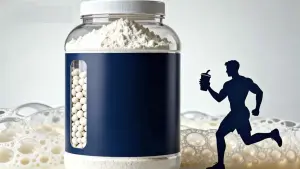



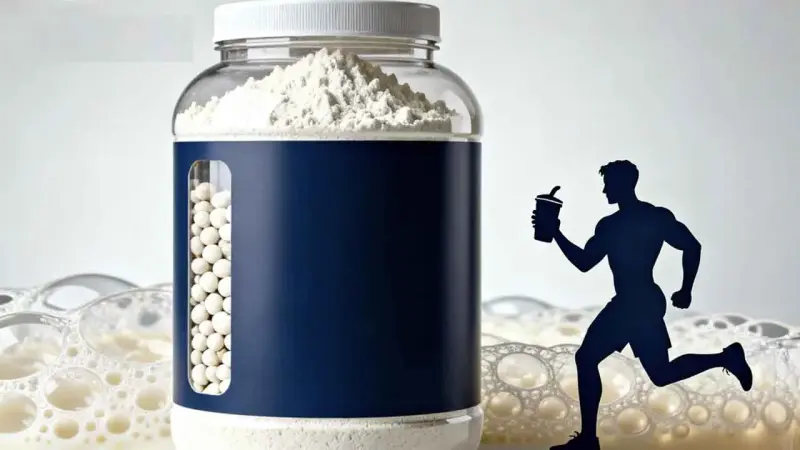
Powder supplements are a versatile and popular format in the dietary supplement industry. They offer high dosage capacity, flexibility in formulation, and ease of customization. From protein powders and greens blends to meal replacements and specialty formulas, powders represent a significant segment of the market. This guide provides a comprehensive overview of powder supplement manufacturing for brand owners.
The Powder Supplement Market: An Overview
Powder supplements have been a staple of the industry for decades, and their popularity continues to grow.
Market Drivers:
High Dosage Capacity: Powders can accommodate large serving sizes, making them ideal for protein, fiber, and multi-ingredient formulas.
Flexibility: Consumers can easily adjust the serving size to their individual needs.
Versatility: Powders can be mixed with water, milk, smoothies, or food, appealing to a wide consumer base.
Cost-Effectiveness: Powders generally have lower manufacturing costs compared to other dosage forms.
Challenges:
Taste and Texture: Poorly formulated powders can have an unpleasant taste or gritty texture.
Mixability: Powders must mix easily and smoothly in liquids without clumping.
Moisture Sensitivity: Powders are susceptible to moisture absorption, which can lead to clumping and degradation.
Packaging: Effective packaging is essential to protect against moisture and maintain flowability.
Key Ingredients in Powder Formulations
The formulation of a powder supplement is a careful balance of active ingredients, excipients, and flavorings.
1. Active Ingredients
Active ingredients are the functional components of the powder, providing the intended health benefits.
Proteins: Whey, casein, soy, pea, rice, and blended proteins are common for sports nutrition and meal replacement powders.
Carbohydrates: Maltodextrin, dextrose, and starches are used for energy and as fillers.
Fibers: Inulin, psyllium, and other fibers support digestive health.
Vitamins and Minerals: A wide range of micronutrients can be incorporated.
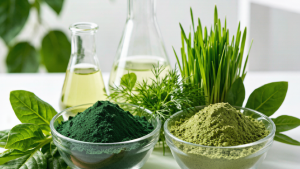
Botanicals: Extracts like greens powders, turmeric, and ginger are popular.
Other Actives: Amino acids, creatine, collagen, and probiotics are common powder ingredients.
2. Excipients
Excipients are inactive ingredients that serve functional purposes in the formulation.
Flowing Agents: Silicon dioxide and other agents improve powder flow and prevent clumping.
Binders: Maltodextrin and other binders help hold the powder together.
Sweeteners: Sugar, stevia, monk fruit, and sugar alcohols provide sweetness.
Flavorings: Natural and artificial flavors enhance taste.
Colorings: Natural and artificial colors improve visual appeal.
3. Flavoring and Masking
Taste is critical for powder supplements. Formulators must consider:
Flavor Selection: Choosing flavors that complement the active ingredients.
Sweetener Blends: Combining sweeteners for optimal taste and minimal aftertaste.
Masking Agents: Ingredients that reduce bitterness or off-flavors.
Acidulants: Citric acid and others add tartness and balance.
The Powder Manufacturing Process
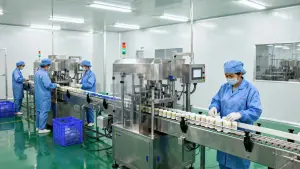
The manufacturing process for powder supplements involves several key stages.
1. Ingredient Receiving and Quality Control
All raw materials are received, sampled, and tested for identity, purity, and potency. Only approved ingredients enter the production process.
2. Weighing and Dispensing
Ingredients are carefully weighed according to the formulation. This is a critical control point for batch consistency.
3. Blending
The weighed ingredients are blended together in a mixer to create a homogeneous mixture. The blending time and method are critical for achieving uniformity.
Types of Blenders: Ribbon blenders, cone blenders, and V-blenders are commonly used.
Uniformity Testing: Samples are taken from various parts of the blend to verify homogeneity.
4. Sizing and Milling
If the powder contains lumps or is not uniformly sized, it may be milled or sieved to achieve the desired particle size distribution.
5. Agglomeration and Instantizing
Some powders, particularly protein powders and meal replacements, are subjected to an agglomeration or instantizing process. This creates larger, more porous particles that dissolve more easily in liquid.
Advantages: Improved mixability, reduced dustiness, and better flowability.
6. Final Quality Control Testing
The finished powder blend is tested for potency, moisture content, particle size, microbial safety, and other quality attributes.
7. Packaging
The powder is packaged in bottles, pouches, or bulk containers. The packaging must protect against moisture, light, and oxygen.
Formulation Considerations for Powder Supplements
Developing a successful powder supplement requires careful attention to several formulation factors.
1. Powder Flow and Handling
Powder flowability is important for efficient manufacturing and consumer use. Ingredients should be free-flowing and not prone to clumping.
2. Mixability and Dissolution
The powder should dissolve easily and completely in the recommended liquid. Poor mixability leads to a gritty texture and consumer dissatisfaction.
3. Taste and Mouthfeel
Taste and mouthfeel are critical for consumer acceptance. The powder should taste pleasant and have a smooth texture when mixed.
4. Stability
Powders must remain stable over time, maintaining potency, appearance, and flowability. Moisture, temperature, and oxygen are the primary degradation factors.
5. Allergen and Dietary Considerations
The formulation must account for common allergens (e.g., soy, dairy, gluten) and dietary preferences (e.g., non-GMO, organic, vegan).
Quality Control in Powder Manufacturing
Quality control is essential for ensuring the safety and consistency of powder supplements.
Key Quality Control Points:
Raw Material Testing: Identity, purity, potency, and contaminants.
In-Process Testing: Blend uniformity and particle size.
Finished Product Testing: Potency, moisture content, microbial safety, and heavy metal testing.
Stability Testing: To establish shelf life and ensure product integrity over time.
Trends in Powder Supplement Manufacturing
The powder supplement market is evolving rapidly, driven by changing consumer preferences.
1. Plant-Based Proteins
Plant-based protein powders, particularly pea, rice, and soy, are growing in popularity as consumers seek vegan and sustainable options.
2. Clean Label
Consumers are seeking powders with recognizable, natural ingredients. Artificial colors, flavors, and sweeteners are increasingly avoided.
3. Functional Blends
Powders are being formulated with blends of ingredients targeting specific health benefits, such as sleep, stress, and digestion.
4. Convenience Formats
Single-serve stick packs and pre-portioned sachets are gaining popularity for their convenience and portability.
5. Sustainability
Sustainable sourcing and eco-friendly packaging are becoming increasingly important to powder supplement consumers.
6. Organic Certification
Organic-certified powders are appealing to health-conscious consumers willing to pay a premium for certified organic products.
The SREKE Powder Manufacturing Advantage
At SREKE, we have the expertise and manufacturing capabilities to produce high-quality, consumer-appealing powder supplements. Our powder manufacturing capabilities include:
Expert Formulation: We can develop powders for a wide range of categories, including protein, greens, meal replacement, and specialty formulas.
High-Quality Ingredients: We source premium ingredients for optimum taste, texture, and efficacy.
Flexible Production: We can produce powders in various packaging formats, including bottles, pouches, and stick packs.
Rigorous Quality Control: We test every batch for safety, potency, and consistency.
Innovation: We stay abreast of market trends and can help you develop innovative, differentiated products.
Ready to Enter the Powder Supplement Market?
Powder supplements represent a significant opportunity for brands to deliver high-dose, customizable, and cost-effective products. Let SREKE help you develop and manufacture powder supplements that consumers will trust and enjoy.
Contact us today to discuss your powder supplement project:
Click here to get in touch with our team or email us directly at [email protected]. Let's create the perfect powder for your brand.