








Why 3D Printing Supplements Technology Matters for Supplement Brands
At SREKE, we see 3D printing supplements technology as a transformative force in the dietary supplement industry. This innovative manufacturing approach enables unprecedented customization, precise dosage control, and faster time-to-market for supplement brands worldwide.
Three-dimensional printing technology in supplement manufacturing allows for:
- Personalized dosage formulations tailored to individual consumer needs
- Complex geometric shapes that improve bioavailability and consumer appeal
- Rapid prototyping and small-batch production capabilities
- Reduced material waste through precision ingredient deposition
- Enhanced stability through controlled layer-by-layer manufacturing
The global 3D printing in pharmaceuticals market, which includes supplement applications, continues to expand as brands seek competitive advantages through innovation and personalization.
Key Manufacturing Considerations at SREKE
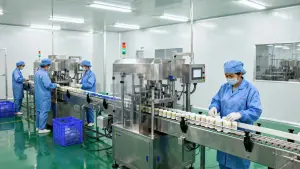
Our GMP-certified manufacturing facility in Guangzhou evaluates 3D printing supplements technology through multiple quality and compliance lenses:
Quality Control Standards
At SREKE, we maintain rigorous quality protocols that align with FDA cGMP regulations and ISO 22000 food safety standards. Our approach to 3D printing includes:
- Ingredient verification and documentation for all printable formulations
- Batch consistency testing and in-process quality checks
- Stability testing protocols for printed supplement formats
- Environmental monitoring during the printing process
Regulatory Compliance
We ensure all 3D printed supplements meet regulatory requirements for:
- Label accuracy and ingredient disclosure
- Contaminant testing and heavy metal screening
- Microbial safety standards
- Packaging integrity and shelf-life verification
Production Scalability
Our facility balances innovation with practical manufacturing considerations:
- Minimum Order Quantities (MOQ) starting from 1,000 units for custom 3D printed formats
- Lead times of 4-8 weeks depending on formulation complexity and printing requirements
- Flexible production runs from prototyping to commercial-scale manufacturing
- Integration with existing softgel, capsule, tablet, powder, gummy, and liquid production lines
How SREKE Helps You Get to Market Faster
Our team at SREKE streamlines the journey from concept to shelf through comprehensive OEM/ODM services:
Formulation Development
We offer:
- Custom 3D printable formulation development by our R&D team
- Ingredient sourcing from verified suppliers with full documentation
- Bioavailability optimization through advanced printing technologies
- Stability testing and shelf-life determination
Manufacturing Excellence
Our GMP-certified facility provides:
- State-of-the-art 3D printing equipment for supplement production
- Multi-format capabilities including softgels, capsules, tablets, powders, gummies, and liquids
- Quality assurance at every production stage
- Comprehensive documentation for regulatory submissions
Packaging Solutions
We support your brand with:
- Custom packaging design and development
- Child-resistant and tamper-evident options
- Sustainable packaging materials
- Bulk and retail-ready packaging solutions
Industry Trends and Market Opportunities
The supplement industry continues evolving, and 3D printing technology positions brands for future success:
Personalized Nutrition Growth
Consumer demand for personalized supplements drives innovation. 3D printing enables:
- Customized vitamin and mineral combinations
- Personalized dosage strengths
- Targeted delivery formats for specific health goals
- Subscription-based personalized supplement programs
Technology Integration
Modern supplement brands benefit from:
- AI-assisted formulation optimization
- Blockchain traceability for ingredient sourcing
- Smart packaging with QR code integration
- Data-driven consumer insights
Sustainability Initiatives
3D printing supports environmental goals through:
- Reduced material waste compared to traditional manufacturing
- On-demand production minimizing inventory
- Efficient energy usage in layer-by-layer processing
- Opportunities for upcycled ingredient integration
Frequently Asked Questions
What is 3D printing supplements technology?
3D printing supplements technology uses additive manufacturing processes to create supplement products layer by layer. This enables precise ingredient placement, complex shapes, and personalized formulations that traditional manufacturing methods cannot easily achieve.
How does SREKE ensure quality with 3D printed supplements?
At SREKE, we maintain GMP certification and follow FDA cGMP guidelines. Our quality control includes raw material testing, in-process monitoring, finished product verification, and comprehensive documentation. Every batch undergoes rigorous testing for potency, purity, and safety.
What are the MOQ requirements for 3D printed supplements?
Our MOQ varies by product format and complexity. For 3D printed supplements, we typically start at 1,000 units for custom formulations. Contact our team for specific requirements based on your product type and volume needs.
How long does production take for 3D printed supplements?
Production timelines depend on formulation complexity, printing technology, and order volume. Standard lead times range from 4-8 weeks including formulation development, testing, and manufacturing. Rush options may be available for urgent projects.
Can SREKE help with regulatory compliance?
Yes. Our team assists with documentation requirements, ingredient verification, and compliance with FDA regulations and international standards. We provide Certificates of Analysis, stability data, and supporting documentation for your regulatory submissions.
What supplement formats can be 3D printed?
3D printing technology can create various supplement formats including tablets, capsules, softgels, and complex multi-layered structures. At SREKE, we also offer traditional manufacturing formats including powders, gummies, and liquids to meet diverse market needs.
Is 3D printing supplements technology cost-effective?
While initial setup costs may be higher than traditional methods, 3D printing offers long-term advantages including reduced waste, personalized production capabilities, and faster time-to-market. For brands seeking differentiation and customization, the investment can provide significant competitive advantages.
What types of ingredients can be used in 3D printed supplements?
Our formulation team works with a wide range of vitamins, minerals, botanicals, and functional ingredients suitable for 3D printing. We ensure all ingredients meet quality standards and are compliant with applicable regulations for dietary supplements.