




Why Cold Press vs. Traditional Softgel Manufacturing Matters for Supplement Brands
At SREKE, we understand that the manufacturing method you choose directly impacts product stability, bioavailability, and market positioning. As brand owners seek to differentiate in a crowded supplement market, the choice between cold press encapsulation and traditional rotary die encapsulation is no longer just technical—it is strategic.
Traditional softgel manufacturing typically involves heating gelatin shells and filling materials to reduce viscosity, allowing for high-speed production. However, heat can degrade sensitive active ingredients such as omega-3 fatty acids, probiotics, and certain vitamins. In contrast, our cold press technology allows us to encapsulate thermosensitive compounds at lower temperatures, preserving their structural integrity and potency without compromising shelf life.
For brands prioritizing "clean label" claims and premium quality, understanding these mechanical differences is essential. We guide our partners through this decision-making process to ensure their formulation aligns with their manufacturing capabilities.
Key Manufacturing Considerations at SREKE
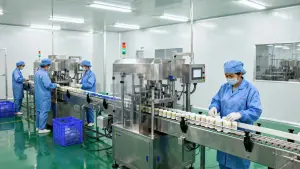
Our Guangzhou-based facility operates under strict GMP (Good Manufacturing Practice) standards, ensuring every batch meets international compliance requirements. When evaluating production methods, we analyze several critical factors:
- Thermal Sensitivity: Traditional methods often require temperatures between 40°C–50°C. Our cold press process minimizes thermal exposure, which is vital for oil-based formulations containing EPA/DHA or plant extracts that may oxidize or degrade under heat.
- Viscosity Management: Traditional rotary dies handle low-viscosity liquids efficiently. Cold press technology, however, excels with semi-solid, paste-like, or high-viscosity formulations that are difficult to pump through standard die systems. This expands the range of ingredients we can encapsulate.
- Shell Composition: We offer both standard gelatin shells and vegetarian alternatives (such as pectin or carrageenan-based shells). The encapsulation method must match the shell material’s mechanical properties to prevent leakage or deformation.
- Compliance and Safety: All processes adhere to HACCP principles and ISO certifications. We ensure that solvents or processing aids used in traditional manufacturing do not leave residues, maintaining purity standards required by FDA and EFSA regulations.
Formulation Flexibility
At SREKE, we recommend formulating with the end manufacturing process in mind. If your ingredient profile includes heat-sensitive botanicals or delicate lipids, we advise considering cold press encapsulation to maintain efficacy. For stable mineral complexes or standard oils, traditional rotary encapsulation remains a cost-effective and high-efficiency solution.
How SREKE Helps You Get to Market Faster
Time-to-market is a critical competitive advantage. Our streamlined OEM/ODM services are designed to reduce lead times without sacrificing quality. Here is how we optimize the process for both manufacturing types:
- Rapid Prototyping: We provide small-batch trials to test viscosity, shell compatibility, and dissolution rates before full-scale production.
- Scalable Production: Whether you require an MOQ of 10,000 units for a launch or 500,000+ for established distribution, our facilities scale seamlessly.
- Regulatory Support: Our compliance team assists with documentation for FDA DSHEA guidelines and EU novel food regulations, ensuring your product labels are accurate and compliant.
- Integrated Packaging: We offer custom blister packs, bottles, and child-resistant closures, coordinating packaging production with encapsulation to minimize storage time.
We recommend starting with a consultation to define your target price point and volume. Our team will suggest the most efficient manufacturing route, whether that involves traditional high-speed lines or specialized cold press equipment.
Industry Trends and Market Opportunities
The global softgel market is shifting toward functional ingredients that require precise delivery mechanisms. Consumers are increasingly educated about bioavailability and ingredient purity. This trend favors manufacturers who can offer advanced encapsulation technologies like cold press.
Additionally, there is growing demand for sustainable and vegetarian options. At SREKE, we are expanding our capacity for non-animal gelatin shells, catering to vegan and halal/kosher markets. By choosing a partner who understands these nuances, brand owners can access premium segments with higher margins.
We also observe a rise in hybrid formulations—combining water-soluble and fat-soluble nutrients in single softgels. This complex formulation requires precise engineering to prevent phase separation, a challenge our R&D team specializes in solving through customized encapsulation parameters.
Frequently Asked Questions
What is the minimum order quantity (MOQ) for cold press softgels?
At SREKE, our MOQ varies based on shell type and formulation complexity. Generally, we support startups with lower MOQs compared to large-scale industrial contracts. Contact our sales team for specific tiered pricing.
Does cold press encapsulation affect the dissolution rate?
No. We ensure that all softgels, regardless of manufacturing method, meet pharmacopeial standards for disintegration and dissolution. Our quality control lab tests every batch to verify bioavailability performance.
Can I use vegetarian shells with traditional rotary encapsulation?
Yes, but it requires adjusted machine settings. Vegetarian shells have different elasticity and drying requirements than gelatin. Our engineers calibrate our rotary dies specifically for these materials to ensure consistent sealing and appearance.
How long does the production lead time take?
Standard production lead times range from 4 to 8 weeks, depending on raw material availability and regulatory testing. Expedited options are available for urgent launches. Email [email protected] for current slot availability.
Ready to launch your supplement brand? SREKE provides GMP-certified OEM/ODM manufacturing for softgels, capsules, tablets, powders, gummies, and liquids. Contact us for a free quote or email [email protected] — we respond within 24 hours.