

Why Microencapsulation Technology Matters for Supplement Brands
At SREKE, we have observed a significant shift in consumer demand for supplements that offer enhanced bioavailability and targeted delivery. According to a 2023 report by Grand View Research, the global microencapsulation market is expected to grow at a CAGR of 11.5% from 2023 to 2030, driven by the nutraceutical sector. Microencapsulation protects sensitive ingredients like probiotics, omega-3s, and vitamins from degradation, improves taste masking, and enables controlled release. For supplement brand owners and distributors, adopting this technology can differentiate your products in a crowded market. However, ensuring regulatory compliance—especially with FDA and EFSA guidelines—requires specialized manufacturing expertise. Common challenges include maintaining stability during encapsulation, achieving consistent particle size, and validating claims without overstepping disease treatment boundaries. At SREKE, we integrate microencapsulation into our GMP-certified production lines to help you meet these challenges.
Key Manufacturing Considerations at SREKE
Technical Details: Formulation, Dosage Forms, Stability
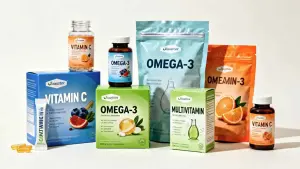
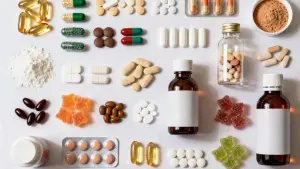
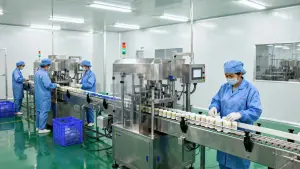
Our facility in Guangzhou is equipped with advanced spray-drying and fluid-bed coating systems for microencapsulation. We work with a range of wall materials (e.g., modified starches, gums, and proteins) to suit your active ingredients. Typical dosage forms include powders for sachets, capsules, tablets, and gummies. We optimize core-to-wall ratio to ensure stability under accelerated stability testing (40°C/75% RH for 6 months). For example, we have successfully microencapsulated omega-3 fatty acids to reduce oxidation and fishy aftertaste, achieving a shelf life of 24 months without refrigeration. Our formulation scientists develop custom release profiles—immediate, sustained, or delayed—based on your target market.
Quality Standards: GMP, Third-Party Testing, COA
All microencapsulation processes at SREKE are performed under strict GMP (Good Manufacturing Practice) conditions, following China’s GMP for dietary supplements and the US FDA’s 21 CFR Part 111 standards. We also hold ISO 9001:2015, ISO 22000 (HACCP), and FSSC 22000 certifications. Each batch undergoes third-party testing by SGS or Eurofins for potency, heavy metals, microbial limits, and encapsulation efficiency. We provide a Certificate of Analysis (COA) with every shipment, ensuring traceability and compliance. Our quality system includes in-process checks for particle size distribution (via laser diffraction) and moisture content.
Regulatory Compliance: FDA, EFSA
We understand that regulatory compliance is a top concern for importers. Our microencapsulated ingredients are manufactured in accordance with FDA New Dietary Ingredient (NDI) notifications and EFSA Novel Food Regulations when applicable. For US-market products, we ensure all raw materials are GRAS (Generally Recognized as Safe) and that labeling follows DSHEA requirements. For EU-market products, we adhere to EFSA’s guidance on health claims and maximum residue limits. We also maintain documentation for organic certifications (USDA, EU) and Kosher/Halal as requested. Our team reviews your finished product claims to avoid disease statements—using phrases like “supports immune function” or “promotes cardiovascular health” instead.
How SREKE Helps You Get to Market Faster
Our OEM/ODM Process
Our streamlined microencapsulation OEM/ODM process reduces lead times. From concept to commercial batch: (1) Initial consultation and raw material sourcing (1-2 weeks); (2) R&D formulation and microencapsulation trials (3-4 weeks); (3) Scale-up and stability testing (4-6 weeks); (4) Production and packaging (2-3 weeks). Typical MOQ for microencapsulated powder is 100 kg; for capsules or tablets, 50,000 units. We offer flexible packaging options—bottles, blister packs, stick packs, or bulk.
What Sets Us Apart
Unlike many contract manufacturers, we maintain an in-house microencapsulation R&D lab with pilot-scale equipment. This allows rapid prototyping without costly outsourcing. We also provide turnkey regulatory support, including label review and customs documentation. Our digital traceability system lets you monitor production in real time.
Support from Concept to Delivery
From ingredient sourcing to final shipment, our project managers guide you through regulatory filings, artwork approvals, and logistics. We offer low MOQ flexible contracts to help startups scale. Contact our team to discuss your custom microencapsulation needs.
Industry Trends and Market Opportunities
Current Market Data
The microencapsulated food ingredients market was valued at $45.6 billion in 2022 (Mordor Intelligence). Within supplements, probiotics and omega-3s are the most encapsulated ingredients due to stability benefits. Consumer preference for “clean label” and free-from- allergens is driving demand for natural wall materials like plant-based gums.
Consumer Demand Shifts
Post-pandemic, consumers prioritize immune health, gut health, and cognitive support. Microencapsulation enables combining multiple actives in one formula without interactions. For example, we have developed microencapsulated turmeric and piperine blends for enhanced absorption.
Differentiation Strategies
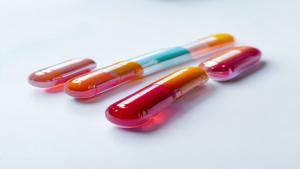
Brand owners can differentiate by offering “sustained release” or “targeted delivery” claims (e.g., “supports energy throughout the day”). Our microencapsulation allows masking bitter flavors—ideal for gummies or chewables targeting children. We also provide custom color-coded capsules for visual brand identity.
Frequently Asked Questions
1. What is the minimum order quantity (MOQ) for microencapsulated supplements at SREKE?
Our MOQ for microencapsulated powder starts at 100 kg. For finished capsules or tablets, MOQ is 50,000 units. We welcome smaller trial batches for new product validation.
2. How do you ensure regulatory compliance for microencapsulated ingredients in different countries?
We maintain a regulatory database covering FDA (US), EFSA (EU), CFIA (Canada), and FSANZ (Australia). For each project, we assess raw material status (GRAS, Novel Food) and formulate to avoid disease claims. All COAs and batch records are provided for customs clearance.
3. Can you microencapsulate multiple active ingredients together?
Yes. Co-encapsulation of probiotics with prebiotics, or vitamins with minerals, is possible. We conduct stability tests to ensure no antagonistic effects. pH-sensitive coatings can be applied for targeted release in the intestine.
4. What lead time should I expect for a custom microencapsulated supplement?
From initial inquiry to delivery, typical lead time is 8-12 weeks. R&D formulation and stability testing take 4-6 weeks; production and shipping take 3-4 weeks. Rush orders may be expedited for an extra fee.
Ready to launch your supplement brand? SREKE provides GMP-certified OEM/ODM manufacturing for softgels, capsules, tablets, powders, gummies, and liquids. Contact us for a free quote or email [email protected] — we respond within 24 hours.
Visit our factory: SREKE Supplements, Guangzhou, China. www.sreke.com | OEM/ODM/Private Label | Low MOQ | Fast Lead Times