
Why Microencapsulation Matters for Supplement Brands
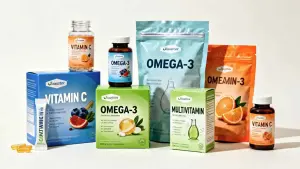
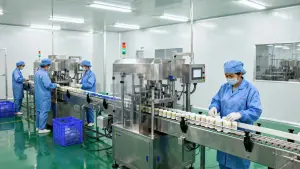
At SREKE, we understand that sensitive nutrients—such as omega-3 fatty acids, probiotics, vitamins A, D, E, K, and certain plant extracts—are highly vulnerable to degradation from oxygen, moisture, light, and heat. According to industry data, up to 50% of active ingredients in standard supplements can lose potency before the expiration date, impacting efficacy and brand trust. For supplement brand owners, this translates to customer dissatisfaction, returns, and a damaged reputation. Microencapsulation solves this by creating a protective barrier around each nutrient particle, ensuring stability from our GMP-certified facility in Guangzhou to your customers' shelves. We recommend this advanced technology for brands targeting high-value markets like sports nutrition, prenatal vitamins, and gut health.
Key Manufacturing Considerations
Formulation and Dosage Forms
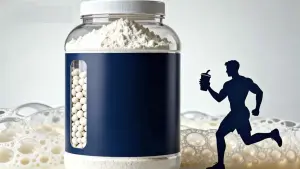
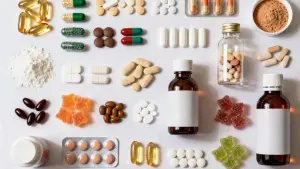
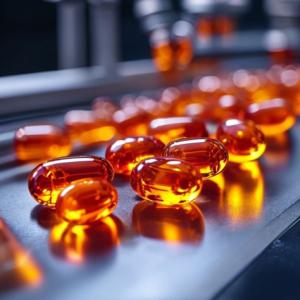
Our microencapsulation process involves coating sensitive nutrients with a thin, edible polymer shell using fluid bed or spray drying techniques. This allows us to offer customized release profiles—immediate, sustained, or targeted—in softgels, capsules, tablets, and powders. For example, we can encapsulate probiotics to survive stomach acid and release in the intestines, or protect omega-3s from oxidation in softgels. We also offer flavor masking for bitter compounds, enhancing consumer compliance.
Stability and Quality Standards
At SREKE, we adhere to strict GMP, ISO 22000, and HACCP standards. Every batch undergoes accelerated stability testing (40°C/75% RH for 6 months) and real-time stability studies. We provide Certificates of Analysis (COA) for each lot, including potency, microbial limits, and encapsulation efficiency. Our third-party testing partners validate results, ensuring compliance with US FDA and EU EFSA labeling requirements.
Regulatory Compliance
We ensure all microencapsulated products meet FDA 21 CFR 101.93 structure-function claim guidelines. Claims like 'supports digestive health' or 'promotes immune function' are permissible, while disease claims are avoided. Our regulatory team reviews label copy to prevent misbranding, reducing your liability.
How to Choose the Right OEM Partner
What to Look For
- Technical Expertise: Ask about microencapsulation methods (e.g., spray drying, coacervation, liposomal) and their suitability for your nutrient.
- MOQ Flexibility: At SREKE, we offer MOQs as low as 10,000 units for pilot runs and scalable to millions for mass production.
- Lead Times: We typically deliver within 4-6 weeks from formulation approval, depending on complexity.
- Certifications: Ensure GMP, ISO 22000, and HACCP are current. We invite clients to audit our facility.
Red Flags to Avoid
- No stability data or COA provided upfront.
- Unwillingness to customize release profiles.
- Vague about raw material sourcing (we use only FDA-registered suppliers).
Questions to Ask Before Ordering
- What is your encapsulation efficiency for [specific nutrient]?
- Can you provide third-party stability reports?
- What is your process for handling allergen cross-contamination?
Industry Trends and Market Opportunities
The global microencapsulation market in nutraceuticals is projected to reach $12.5 billion by 2028, growing at 8.5% CAGR (Grand View Research). Consumer demand for shelf-stable, high-potency supplements—especially in probiotics, omega-3s, and vitamin D—is driving this growth. At SREKE, we see opportunities in personalized nutrition packs, single-serve powders, and gummies with encapsulated actives. By partnering with us, you can differentiate your brand with superior stability, longer shelf life, and enhanced bioavailability—all without increasing per-unit cost significantly.
Frequently Asked Questions
Q: What is the minimum order quantity (MOQ) for microencapsulated products?
A: At SREKE, our MOQ starts at 10,000 units for softgels or capsules, with lower MOQs for powders. We work with startups and established brands alike.
Q: Can you encapsulate multiple nutrients in one product?
A: Yes, we can co-encapsulate incompatible ingredients (e.g., probiotics and iron) in separate layers to prevent interaction, ensuring stability.
Q: How do you ensure the encapsulation process doesn't affect nutrient bioavailability?
A: We use food-grade polymers (e.g., alginate, chitosan) that dissolve at targeted pH levels. Our in vitro dissolution testing confirms release profiles match specifications.
Q: What certifications do you have for microencapsulation?
A: Our facility is GMP-certified by NSF International, ISO 22000:2018, and HACCP. We also offer organic and non-GMO options upon request.
Looking for a reliable OEM manufacturer for your supplement brand? SREKE provides GMP-certified custom formulation, private labeling, and contract manufacturing for softgels, capsules, tablets, powders, gummies, and liquids. Contact us at [email protected] or request a free quote — our team responds within 24 hours.