

The Complete Guide to Pet Supplements: What Every Pet Owner Should Know
As a devoted pet parent, you want nothing but the best for your furry companion. From premium food to regular vet visits, you go the extra mile to ensure their health and happiness. But with the booming market of pet supplements ranging from joint support to probiotics it's easy to feel overwhelmed. Are these products truly beneficial, or are they just marketing hype? In this comprehensive guide, we'll explore the world of pet supplements, including their benefits, risks, and how to choose the right ones for your dog or cat. By the end, you'll have the knowledge to make informed decisions that support your pet's well-being.
What Are Pet Supplements?
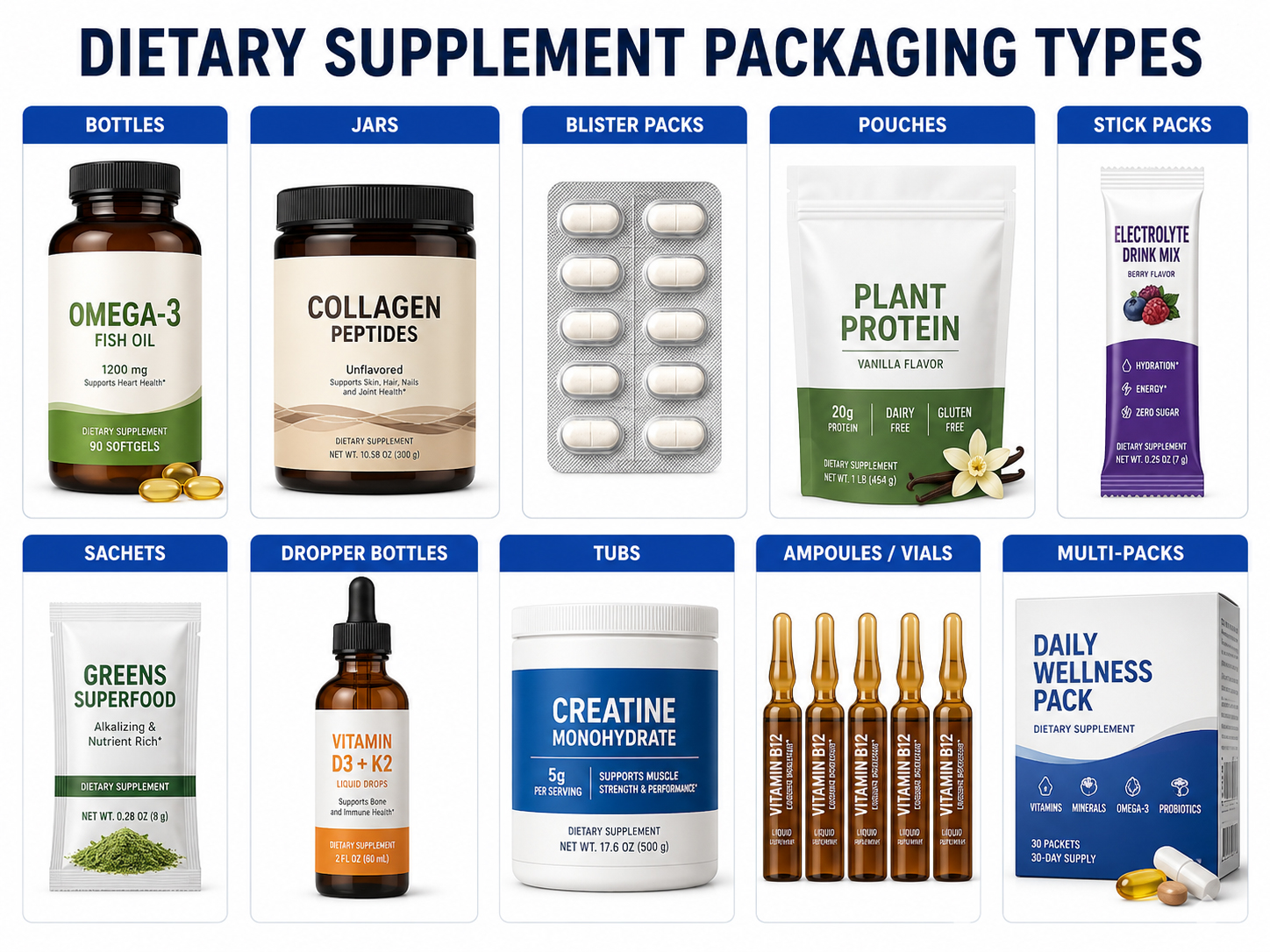
Pet supplements are products designed to complement your pet's diet, providing additional nutrients that may be lacking or needed for specific health conditions. They come in various forms, including powders, chews, tablets, and liquids. Common ingredients include vitamins, minerals, herbs, amino acids, and fatty acids. While supplements are not a substitute for a balanced diet, they can play a key role in addressing deficiencies, managing chronic issues, or enhancing overall vitality.
Why Consider Pet Supplements?
Many pet owners turn to supplements to address specific concerns. Here are some common reasons:
- Joint Health: Aging dogs and cats often benefit from glucosamine, chondroitin, and omega-3 fatty acids to reduce inflammation and support mobility.
- Digestive Support: Probiotics and digestive enzymes can help with gastrointestinal issues like diarrhea, constipation, or food sensitivities.
- Skin and Coat Health: Omega-3 and omega-6 fatty acids, along with biotin, promote a shiny coat and reduce itching or dandruff.
- Immune Boost: Antioxidants such as vitamins C and E, as well as medicinal mushrooms (e.g., reishi or turkey tail), can strengthen the immune system.
- Stress and Anxiety: Ingredients like L-theanine, chamomile, or CBD oil are used to calm nervous pets during travel, storms, or separation.
Key Types of Pet Supplements
1. Joint and Mobility Supplements
Joint supplements are among the most popular for pets, especially large-breed dogs or senior cats. Key ingredients include:
- Glucosamine Hydrochloride: Supports cartilage repair and reduces joint pain.
- Chondroitin Sulfate: Helps maintain joint fluid and prevent cartilage breakdown.
- MSM (Methylsulfonylmethane): An anti-inflammatory compound that aids in pain relief.
- Omega-3 Fatty Acids: From fish oil, these reduce systemic inflammation.
Always consult your vet before starting joint supplements, especially if your pet has underlying conditions like kidney disease.
2. Probiotics and Digestive Enzymes
Gut health is crucial for nutrient absorption and immunity. Probiotics introduce beneficial bacteria, while enzymes help break down food. Look for products with multiple strains (e.g., Lactobacillus acidophilus, Bifidobacterium bifidum) and a guaranteed CFU count. These can be particularly helpful for pets on antibiotics or with chronic digestive upset.
3. Omega Fatty Acids
Fish oil, krill oil, and flaxseed oil are rich in EPA and DHA, which support heart, brain, and skin health. They are especially beneficial for pets with allergies or inflammatory conditions. However, high doses can cause side effects like diarrhea or blood thinning, so follow dosage guidelines carefully.
4. Multivitamins and Minerals
For pets on homemade or raw diets, a balanced multivitamin can fill nutritional gaps. Look for formulas that include vitamin A, B-complex, vitamin D, calcium, and zinc. Avoid products with excessive fat-soluble vitamins (A, D, E, K) as they can accumulate to toxic levels.
5. Herbal and Natural Supplements
Some pet owners opt for herbal remedies like milk thistle (liver support), turmeric (anti-inflammatory), or valerian root (calming). While natural, these can interact with medications, so professional guidance is essential.
How to Choose Safe and Effective Pet Supplements
With countless brands on the market, quality varies widely. Follow these tips to select the best supplements for your pet:
- Consult Your Veterinarian: Always start with a vet's advice, especially if your pet has health issues or takes medication.
- Look for Third-Party Testing: Brands that undergo independent testing (e.g., by NASC, USP, or ConsumerLab) ensure purity and potency.
- Check Ingredients: Avoid artificial fillers, preservatives, or by-products. The first ingredient should be the active one.
- Consider Form and Palatability: Chews are easy to give, but some pets prefer powders mixed into food. Test a small amount first.
- Read Reviews and Research: Look for clinical studies or user testimonials that support the product's claims.
Potential Risks and Side Effects
While generally safe, supplements can cause issues if misused:
- Overdose: Too much of a vitamin or mineral (e.g., calcium or vitamin D) can lead to toxicity.
- Interactions: Supplements like fish oil or glucosamine may interact with blood thinners or NSAIDs.
- Allergic Reactions: Some pets may be sensitive to ingredients like shellfish (in glucosamine) or herbs.
- Gastrointestinal Upset: Starting a new supplement can cause temporary diarrhea or vomiting. Introduce slowly.
Monitor your pet closely after starting any supplement and report adverse effects to your vet immediately.
When Are Supplements Not Necessary?
Not all pets need supplements. If your dog or cat eats a high-quality, complete and balanced commercial diet (meeting AAFCO standards), they likely receive all essential nutrients. Supplements are best reserved for specific needs, such as:
- Pets with diagnosed deficiencies (e.g., low vitamin B12).
- Senior animals with arthritis or cognitive decline.
- Pets with chronic conditions (e.g., kidney disease, allergies).
- Working or athletic dogs needing extra joint support.
Over-supplementing can be wasteful and even harmful, so avoid the "more is better" mindset.
Supplements for Dogs vs. Cats
Dogs and cats have different metabolic needs. For example, cats require taurine (an essential amino acid) in their diet, while dogs can synthesize it. Similarly, cats are more sensitive to certain herbs and essential oils. Always choose species-specific supplements and never give dog products to cats without vet approval.
Top Tips for Administering Supplements
- Start Slowly: Introduce one supplement at a time to monitor effects.
- Mix with Food: Most supplements can be hidden in wet food, treats, or broth.
- Use a Routine: Give supplements at the same time daily for consistency.
- Store Properly: Keep supplements in a cool, dry place away from sunlight.
Conclusion: Empower Your Pet's Health
Pet supplements can be a valuable tool in your pet care arsenal, but they are not a one-size-fits-all solution. By understanding your pet's unique needs, consulting with your veterinarian, and choosing high-quality products, you can safely enhance their health and longevity. Remember, supplements work best when paired with a nutritious diet, regular exercise, and routine veterinary check-ups. Start small, observe your pet's response, and adjust as needed. Your furry friend deserves the best and now you have the knowledge to provide it.
Actionable Advice: Before buying any supplement, schedule a vet appointment to discuss your pet's specific health goals. Keep a journal of any changes you observe, and always prioritize whole-food nutrition first. With careful selection and responsible use, pet supplements can help your companion thrive for years to come.