
Unlocking Better Digestion: The Complete Guide to Dog Digestive Enzymes
As a devoted pet parent, you want nothing but the best for your furry friend. You carefully choose their food, ensure they get plenty of exercise, and shower them with love. But what if your dog is struggling to absorb all those vital nutrients? Digestive issues like gas, loose stools, or a dull coat can be subtle signs that something isn't working perfectly inside. This is where dog digestive enzymes step into the spotlight. In this comprehensive guide, we'll explore what these enzymes are, how they work, the signs your dog might need them, and how to choose the right supplement for optimal canine health.
What Are Dog Digestive Enzymes?
Digestive enzymes are specialized proteins that act as biological catalysts, breaking down the food your dog eats into smaller, absorbable molecules. Without them, even the highest-quality diet would pass through your dog's system largely unused. Think of enzymes as the tiny workers in your dog's digestive tract, each with a specific job to do.
Types of Digestive Enzymes
There are three primary categories of digestive enzymes, each targeting a different macronutrient:
- Proteases: These enzymes break down proteins into amino acids. They are crucial for muscle repair, immune function, and hormone production.
- Lipases: Lipases break down fats into fatty acids and glycerol. This is essential for energy, healthy skin, and a shiny coat.
- Amylases: Amylases break down carbohydrates (starches and sugars) into simple sugars like glucose, providing quick energy.
In a healthy dog, the pancreas produces these enzymes naturally. However, as dogs age or face certain health challenges, their natural enzyme production can decline.
How Do Digestive Enzymes Work in a Dog's Body?
The process begins in the mouth, where saliva contains a small amount of amylase to start breaking down carbohydrates. The real work happens in the stomach and small intestine. The pancreas releases a powerful cocktail of proteases, lipases, and amylases into the small intestine. Here, they mix with partially digested food from the stomach and efficiently break it down into nutrients that can be absorbed through the intestinal wall into the bloodstream.
If your dog doesn't produce enough enzymes, food particles remain undigested. This can lead to fermentation in the gut, causing gas, bloating, and discomfort. It also means your dog isn't getting the full nutritional benefit of their meals, which can impact their energy levels and overall health.
Signs Your Dog May Need Digestive Enzyme Support
Not every dog needs supplemental enzymes, but many can benefit. Here are common signs that your dog's digestive system might be struggling:
- Chronic gas or bloating: Frequent, foul-smelling gas can indicate undigested food fermenting in the gut.
- Loose stools or diarrhea: Undigested food can draw water into the colon, leading to soft or watery stools.
- Increased appetite with weight loss: If your dog is eating but not absorbing nutrients, they may seem hungry all the time yet lose weight.
- Dull coat or skin issues: Poor nutrient absorption often shows up in the skin and coat, leading to dryness or flakiness.
- Coprophagia (eating stool): Some dogs eat feces because their bodies are still craving nutrients they didn't absorb.
- Vomiting undigested food: If your dog frequently throws up food hours after eating, it may be a sign of enzyme deficiency.
If you notice any of these signs, especially combined, consult your veterinarian. They may recommend a fecal test or blood work to rule out more serious conditions like Exocrine Pancreatic Insufficiency (EPI), a severe deficiency of digestive enzymes.
Common Causes of Enzyme Deficiency in Dogs
Several factors can lead to reduced enzyme production in dogs:
- Aging: As dogs get older, their pancreas naturally produces fewer enzymes.
- Chronic stress: Stress can disrupt the digestive system and reduce enzyme output.
- Poor diet: Highly processed foods may lack the natural enzymes found in raw or whole foods.
- Pancreatic disease: Conditions like pancreatitis or EPI directly impair enzyme production.
- Food allergies or sensitivities: Chronic inflammation in the gut can interfere with enzyme secretion.
The Benefits of Supplementing with Dog Digestive Enzymes
Adding a high-quality digestive enzyme supplement to your dog's routine can offer numerous benefits:
- Improved nutrient absorption: Your dog gets more out of every meal, supporting energy, immune health, and overall vitality.
- Reduced digestive discomfort: Less gas, bloating, and cramping means a happier, more comfortable dog.
- Firmer, more regular stools: Proper digestion leads to well-formed stools that are easier to pick up.
- Healthier skin and coat: Better absorption of fatty acids and proteins leads to a glossy coat and supple skin.
- Support for picky eaters: Dogs with poor appetite due to digestive issues may eat more readily when enzymes help them feel better after meals.
- Enhanced immune function: A healthy gut is the foundation of a strong immune system.
How to Choose the Right Digestive Enzyme Supplement for Your Dog
With so many products on the market, it's important to choose wisely. Here's what to look for:
1. Multi-Enzyme Formula
Look for a supplement that contains a blend of proteases, lipases, and amylases. Some also include cellulase (to break down plant fiber) and bromelain (a natural anti-inflammatory enzyme from pineapple). A broad spectrum ensures comprehensive digestion support.
2. Quality Ingredients
Avoid products with artificial fillers, preservatives, or sweeteners. Choose supplements made from natural sources like pancreatic extracts (from pork or beef) or plant-based enzymes (like Aspergillus oryzae). Plant-based enzymes are often more stable and can work across a wider pH range.
3. Potency and Dosage
Check the enzyme activity units (e.g., HUT for proteases, FCC for lipases). A reputable brand will list these on the label. Start with the recommended dose and adjust based on your dog's response, as advised by your vet.
4. Form
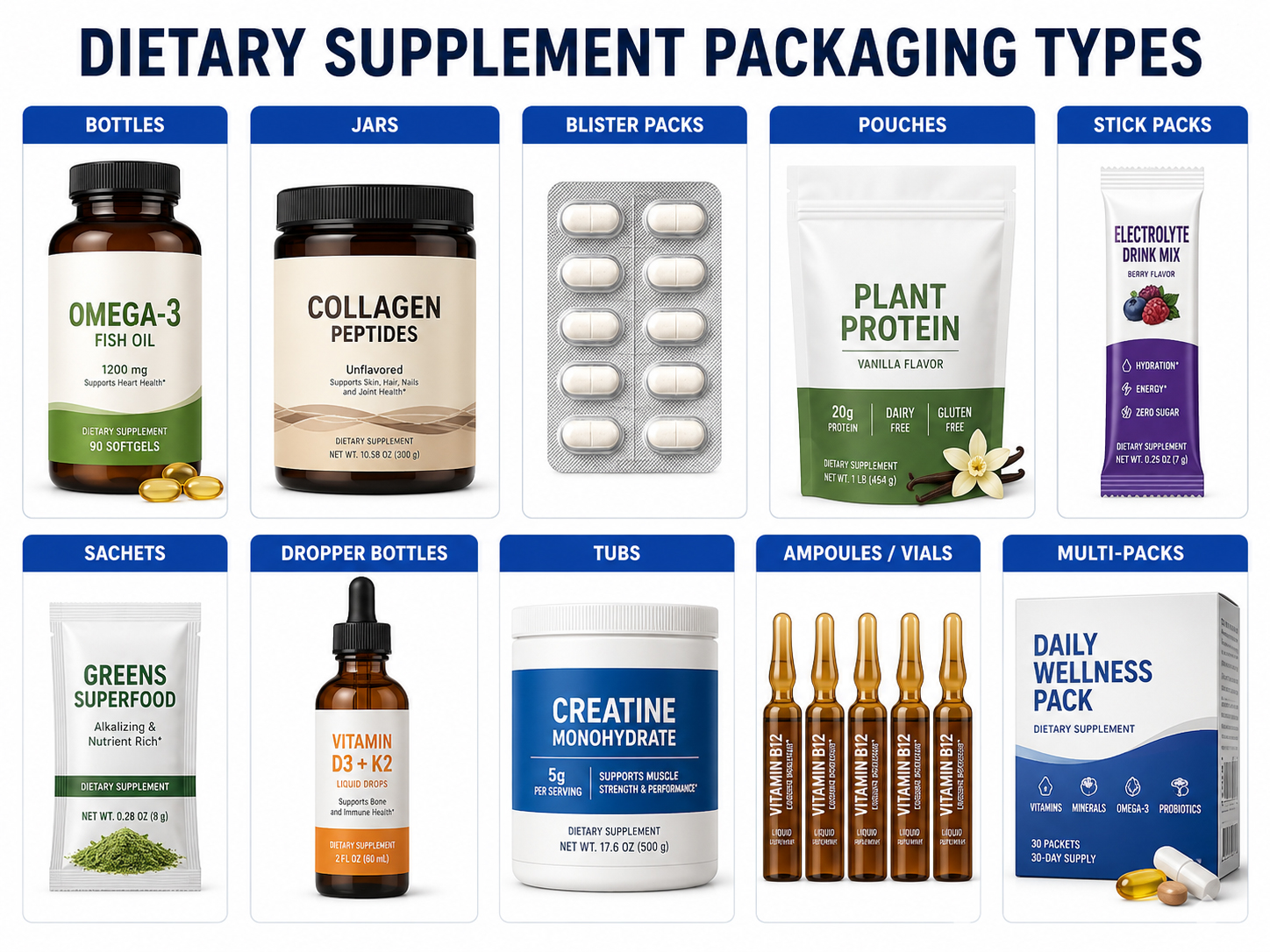
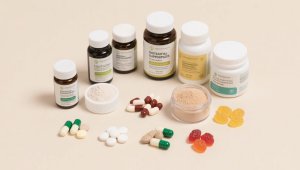
Enzymes come as powders, capsules, or chewable tablets. Powders are easy to mix into wet food, while capsules can be opened and sprinkled. Chewables are convenient for on-the-go use. Choose the form that works best for your dog's preferences.
5. Brand Reputation
Select a brand with positive reviews, transparent sourcing, and third-party testing for purity and potency. Reputable companies often provide customer support and money-back guarantees.
How to Introduce Digestive Enzymes to Your Dog's Diet
Introducing enzymes is simple, but it should be done gradually to avoid upsetting your dog's system:
- Consult your vet: Always get professional advice before starting any new supplement, especially if your dog has a medical condition.
- Start with a half dose: For the first few days, use half the recommended amount to allow your dog's gut to adjust.
- Mix with food: Sprinkle the powder or open capsule directly onto your dog's meal. Enzymes work best when mixed with food just before serving.
- Observe your dog: Watch for any changes in stool consistency, appetite, or behavior. If you notice improvement, you can increase to the full dose.
- Be patient: It can take a week or two to see noticeable improvements. Consistency is key.
Are There Any Side Effects or Risks?
Digestive enzymes are generally safe for dogs when used as directed. However, some dogs may experience mild side effects initially, such as loose stools or increased gas. This usually resolves within a few days as the body adjusts. If side effects persist, reduce the dose or discontinue use and consult your vet.
It's important to note that enzymes are not a substitute for veterinary